A reliable electrical system is essential for keeping a commercial building safe, productive, and operational. From lighting and HVAC equipment to computers, machinery, security systems, and other essential equipment, businesses depend on electricity throughout the day.
Without proper maintenance, small electrical problems can develop into equipment damage, unexpected downtime, expensive repairs, or serious safety hazards. A proactive commercial electrical maintenance plan helps identify problems early, maintain system performance, and extend the life of electrical equipment.
Here are practical electrical maintenance tips that can help keep your commercial building’s electrical system safe and reliable.
1. Schedule Regular Electrical Inspections
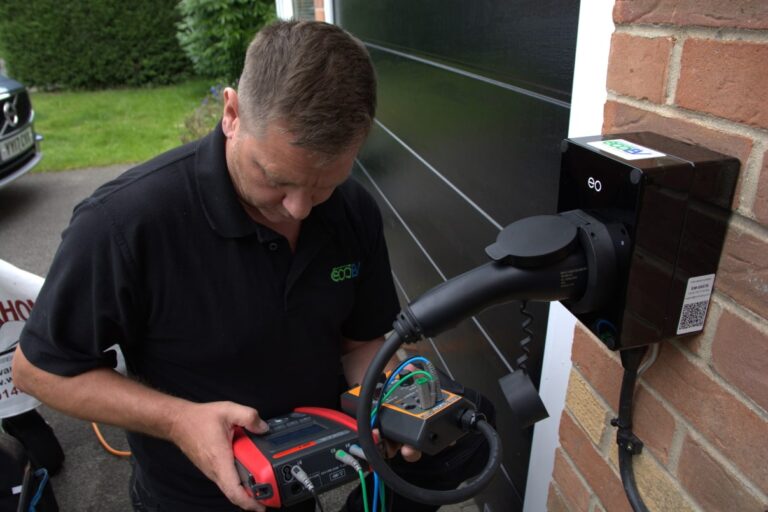
Regular electrical inspections are one of the most important parts of preventive maintenance. A commercial electrical system should be inspected periodically by a qualified electrician rather than waiting until something stops working. During an inspection, an experienced electrician can look for issues such as:
- Damaged or deteriorating wiring
- Loose electrical connections
- Overloaded circuits
- Faulty circuit breakers
- Signs of overheating
- Damaged outlets and switches
- Electrical panel problems
- Poor grounding
- Unusual wear or corrosion
Regular inspections can identify developing problems before they turn into major electrical failures.
The right inspection schedule depends on the building, age of the electrical infrastructure, equipment, and operating conditions. Older buildings or facilities with heavy electrical loads may require more frequent inspections.
2. Create a Preventive Electrical Maintenance Schedule
A reactive approach to electrical maintenance can become expensive. Waiting for equipment to fail often means dealing with emergency repairs, business interruptions, and unexpected costs.
Instead, create a preventive electrical maintenance schedule that includes routine inspections, testing, cleaning, servicing, and repairs. Your maintenance plan can include:
- Electrical panel inspections
- Circuit breaker testing
- Wiring inspections
- Emergency lighting tests
- GFCI testing
- Equipment inspections
- Generator maintenance
- Lighting inspections
- Grounding checks
- Load assessments
A documented schedule makes it easier for building managers to track maintenance and ensure important tasks are not overlooked.
3. Keep Electrical Panels Clean and Accessible
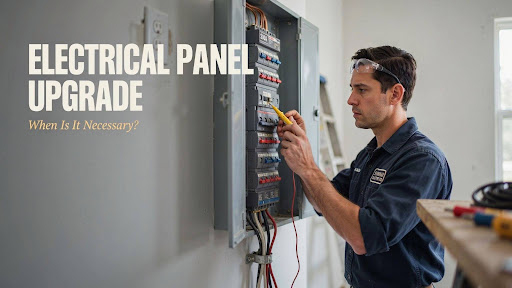
Electrical panels are a central part of a commercial building’s electrical system. They should remain accessible so electricians can safely inspect, maintain, or shut down circuits when necessary.
Do not use the area around an electrical panel for storage. Boxes, furniture, equipment, or other materials can obstruct access and make emergency work more difficult. During routine maintenance, a qualified electrician can inspect the panel for:
- Loose connections
- Overheating
- Corrosion
- Damaged breakers
- Unusual sounds or odors
- Signs of arcing
- Improperly installed components
If a panel is outdated or no longer has enough capacity for the building’s electrical demand, an electrical panel upgrade may be necessary.
4. Monitor Electrical Loads
Commercial buildings often add new computers, machinery, HVAC equipment, lighting, appliances, and other electrical devices over time. As equipment increases, the electrical load can also grow.
Regularly monitoring electrical load growth helps determine whether circuits and panels can safely handle the demand. Signs that a circuit may be overloaded include:
- Frequently tripping breakers
- Dimming or flickering lights
- Warm outlets or electrical equipment
- Burning smells
- Overheating wiring
- Unexpected equipment shutdowns
Do not solve frequent breaker trips simply by repeatedly resetting the breaker. The underlying cause should be investigated by a licensed electrician.
5. Inspect Wiring and Electrical Connections
Wiring problems can create serious electrical hazards. Damaged insulation, loose connections, exposed conductors, and deteriorated wiring should be addressed promptly.
Commercial buildings can contain electrical wiring installed many years ago. Changes to the building, renovations, new equipment, or increased electrical demand may also place additional stress on an existing system.
During maintenance, electricians can check wiring and connections for signs of damage, overheating, corrosion, or improper installation.
If damaged wiring is discovered, repairing it early can help prevent more extensive electrical problems later.
6. Test Emergency and Safety Systems
Emergency electrical systems need to work when they are needed most. Businesses should regularly test systems such as:
- Emergency lighting
- Exit signs
- Backup generators
- GFCI protection
- Fire alarm interfaces
- Other emergency power equipment
Testing helps confirm that these systems operate correctly during a power failure or other emergency.
Maintenance records should also be kept for applicable inspections and testing. Depending on the building and system, specific testing and maintenance requirements may apply under local codes and safety regulations.
7. Check for Signs of Electrical Problems
Building managers and employees should know the common warning signs of electrical problems. Early reporting can help prevent a minor issue from becoming a major repair. Pay attention to:
Flickering lights: May indicate a loose connection, overloaded circuit, or another electrical issue.
Buzzing or crackling sounds: Can indicate problems with outlets, switches, wiring, or electrical equipment.
Warm outlets or panels: Excessive heat may indicate an overloaded circuit, loose connection, or failing component.
Frequent breaker trips: Repeated trips can indicate overloads, short circuits, faulty equipment, or other problems.
Burning odors: A burning smell around an outlet, panel, or electrical device requires prompt attention.
These warning signs should not be ignored. Electrical problems can worsen over time and may create fire or shock hazards.
8. Maintain Emergency Generators
Commercial buildings that rely on backup generators should include generator maintenance in their electrical maintenance program.
A generator that has not been properly maintained may fail when the main power supply goes out. Routine maintenance should follow the manufacturer’s recommendations and applicable requirements.
Depending on the system, maintenance may include checking:
- Fuel supply
- Battery condition
- Electrical connections
- Starting system
- Transfer equipment
- Operating performance
Regular testing helps ensure the backup power system is ready when the building needs it.
9. Improve Energy Efficiency
Electrical maintenance is not only about preventing failures. It can also help businesses control energy consumption.
Older lighting and inefficient electrical equipment can increase operating costs. Businesses can improve energy efficiency by considering upgrades such as:
- LED lighting installation
- Occupancy and motion sensors
- Programmable controls
- Energy monitoring systems
- Efficient electrical equipment
- Smart building controls
LED lighting, for example, can use less electricity and generally last longer than traditional lighting. Motion sensors can also reduce unnecessary lighting in areas that are not continuously occupied.
An electrician can evaluate the building and identify practical opportunities to improve energy efficiency.
10. Protect Electrical Equipment From Surges
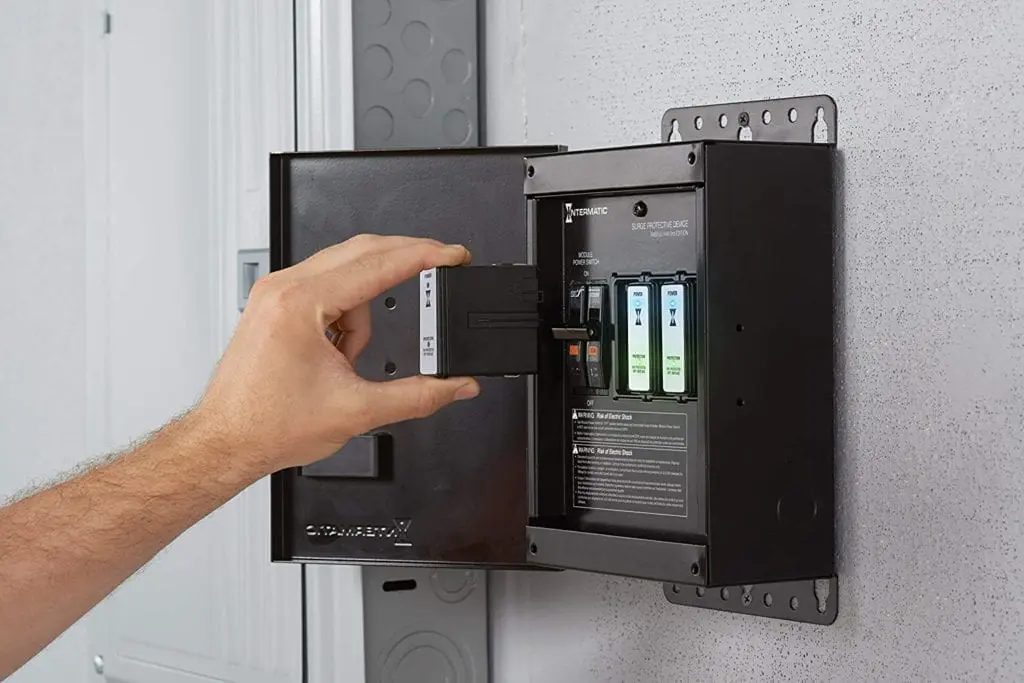
Power surges can damage sensitive commercial equipment, including computers, networking systems, control panels, and electronic machinery. Proper surge protection helps reduce the risk of costly equipment damage and electrical disruptions.
Our power surge protection services help businesses assess their electrical systems and choose the right protection for their building and equipment. Whole-building surge protection can provide broad coverage, while point-of-use protection can add extra protection for sensitive devices.
A qualified electrician can inspect your electrical system and recommend a surge protection solution based on your business’s specific needs.
11. Keep Detailed Maintenance Records
Good documentation is an often-overlooked part of commercial electrical maintenance. Keep records of:
- Electrical inspections
- Testing
- Repairs
- Equipment replacements
- Panel upgrades
- Generator servicing
- Safety system testing
- Electrical issues that have been reported
- Dates of completed maintenance
- Contractor or technician information
These records help building managers understand the history of the electrical system and identify recurring problems.
They can also be useful when planning future upgrades, dealing with warranties, or demonstrating that required maintenance has been completed.
12. Address Electrical Problems Promptly
A small electrical problem should not automatically be treated as an emergency, but it should not be ignored either.
A flickering light, warm outlet, unusual electrical noise, or frequently tripping breaker can be an early indication of a larger problem.
Establish a simple process for employees to report electrical issues to building management. Have reported problems evaluated by a licensed commercial electrician when necessary.
Prompt repairs can reduce the chance of equipment damage, extended downtime, and more expensive electrical work.
13. Evaluate Aging Electrical Systems
Older commercial buildings may have electrical infrastructure that was designed for a much lower level of electrical demand.
Over the years, businesses may add computers, servers, HVAC systems, machinery, lighting, charging equipment, and other loads. The original electrical system may eventually need to be upgraded.
An electrician can evaluate the condition and capacity of the existing electrical infrastructure and determine whether improvements are needed.
Possible upgrades may include:
- Electrical panel replacement
- Circuit additions
- Service upgrades
- Rewiring
- Improved grounding
- Energy-efficient lighting
- Additional electrical outlets
- Surge protection
Upgrading an aging system can improve reliability and provide the capacity needed for future business growth.
14. Use Qualified Commercial Electricians
Electrical maintenance should be handled by electricians who are qualified to work on commercial electrical systems.
Commercial buildings can have more complex electrical infrastructure than typical residential properties, including larger panels, multiple circuits, generators, HVAC systems, specialized equipment, and higher electrical loads.
Using a qualified professional helps ensure maintenance and repairs are performed safely and according to applicable electrical requirements.
Avoid making electrical modifications yourself or allowing unqualified personnel to work on electrical components.
How Often Should a Commercial Building Have Electrical Maintenance?
There is no single maintenance schedule that applies to every commercial building. The appropriate frequency depends on factors such as the building’s age, electrical capacity, equipment, operating environment, and type of business.
A good starting point is to have the electrical system professionally inspected regularly and to maintain a documented preventive maintenance program.
Buildings with older electrical systems, heavy machinery, high electrical loads, or critical operations may benefit from more frequent inspections and testing.
Always follow applicable local requirements and the manufacturer’s maintenance recommendations for electrical equipment.
What Are the Benefits of Regular Commercial Electrical Maintenance?
A proactive maintenance program can provide several benefits for a business:
- Improved electrical safety: Problems can be identified before they become serious hazards.
- Less unexpected downtime: Preventive maintenance can reduce the likelihood of sudden electrical failures.
- Lower repair costs: Finding problems early can prevent more extensive damage.
- Longer equipment life: Proper maintenance helps electrical equipment operate reliably.
- Better energy efficiency: Inefficient equipment and lighting can be identified and upgraded.
- Improved reliability: A well-maintained electrical system supports day-to-day business operations.
- Better maintenance planning: Records and inspections help businesses plan future repairs and upgrades.
When Should You Call a Commercial Electrician?
Some electrical problems require immediate professional attention. Contact a qualified electrician if you notice burning smells, smoke, sparks, exposed wiring, overheating electrical equipment, repeated breaker trips, or other signs of a potentially dangerous electrical fault. You should also consider a professional inspection when:
- Moving into an older commercial building
- Expanding your business
- Adding high-power equipment
- Installing new HVAC systems
- Experiencing repeated electrical failures
- Planning an electrical panel upgrade
- Increasing the building’s electrical load
- Preparing for a major renovation
A professional assessment can determine whether the problem requires a repair, maintenance service, or larger electrical upgrade.
Keep Your Commercial Electrical System Safe and Reliable
Regular electrical maintenance for commercial buildings is an investment in safety, reliability, and business continuity. Routine inspections, preventive maintenance, electrical load monitoring, emergency system testing, and timely repairs can help prevent small problems from becoming expensive disruptions.
Most importantly, electrical maintenance should not be treated as a one-time task. A documented maintenance program and regular inspections from qualified professionals can help keep your electrical infrastructure in good working condition as your business grows.
If you need commercial electrical inspections, repairs, panel upgrades, or ongoing electrical maintenance in South Florida, Allsite Electric can help assess your electrical system and recommend the appropriate solution for your building.