Electrical fires are one of the most common and preventable hazards in the home. From overloaded outlets and damaged electrical cords to faulty appliances and outdated wiring, everyday electrical issues can quickly turn into serious fire risks if left unchecked.
In addition to causing costly property damage, electrical fires can threaten the safety of everyone in your household.
Fortunately, many electrical fire hazards can be avoided with proper maintenance, safe practices, and regular inspections. Understanding the warning signs, such as flickering lights, frequently tripped circuit breakers, or burning odors, can make a major difference in protecting your family and property.
In this guide, you’ll learn how to identify common electrical hazards, implement essential prevention strategies, and improve overall home electrical safety. Whether you’re a homeowner or renter, these practical tips will help you create a safer environment and provide peace of mind.
Common Causes of Electrical Fires
Here are some of the most common causes of electrical fires in homes that every homeowner should be aware of.
- Overloaded Outlets and Circuits: Plugging too many devices into a single outlet or electrical circuit can cause overheating, tripped circuit breakers, and increase the risk of electrical fires in residential wiring systems.
- Damaged or Frayed Electrical Cords: Worn, cracked, or exposed electrical wires can create sparks, short circuits, and overheating. Replacing damaged electrical cords immediately helps prevent fire hazards.
- Faulty Appliances and Electronics: Malfunctioning appliances and electronics can draw irregular power, overheat, or cause electrical short circuits, posing potential fire risks if not properly repaired or replaced.
- Outdated or Defective Wiring: Aging or faulty home wiring may not support modern electrical loads, leading to overheating, loose connections, and increased residential fire hazards.
- Improper Use of Extension Cords: Using extension cords as a permanent wiring solution or for high-wattage appliances can lead to overheating and create electrical fire risks. They should only be used temporarily.
- Incorrect Light Bulb Wattage: Installing light bulbs with higher wattage than recommended can cause fixture overheating, insulation damage, and increase the risk of electrical fires.
Warning Signs of Electrical Fire Hazards
Electrical fire hazards often show early warning signs that should never be ignored, as they usually indicate underlying electrical system problems.
- Frequently Tripped Circuit Breakers: Repeated breaker trips may indicate overloaded circuits, faulty wiring, or underlying electrical system issues that require professional inspection.
- Flickering or Dimming Lights: Lights that flicker or dim unexpectedly can signal loose connections, aging wiring, or an overloaded electrical circuit.
- Burning Smells Near Outlets: A burning odor around outlets or switches is a serious warning sign of overheating wires or electrical components and should be addressed immediately.
- Hot Switches or Outlets: Outlets or wall switches that feel warm or hot to the touch may indicate excessive electrical resistance or hidden wiring problems.
- Buzzing or Sizzling Sounds: Unusual buzzing, crackling, or sizzling noises from electrical panels, outlets, or walls often point to loose wiring or arcing faults that can lead to fire hazards.
Essential Tips to Prevent Electrical Fires
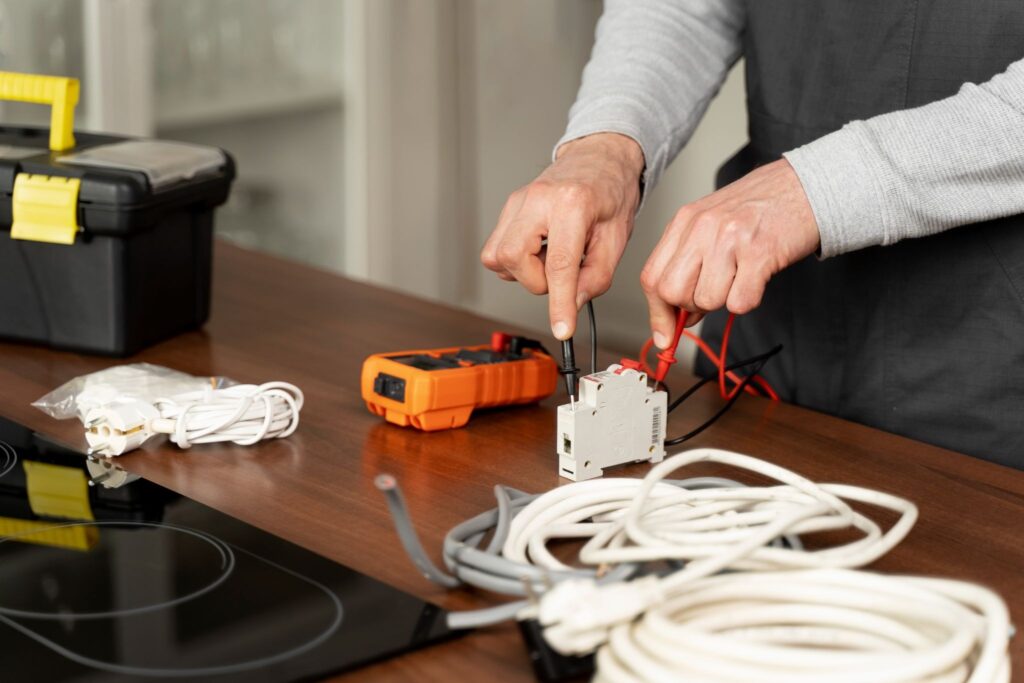
Following these essential electrical safety tips can significantly reduce the risk of fire hazards in your home.
- Avoid Overloading Outlets and Power Strips: Too many devices on a single outlet or power strip can cause overheating and increase the risk of electrical fires.
- Replace Damaged Cords Immediately: Frayed, cracked, or exposed electrical cords should be replaced right away to prevent sparks, short circuits, and fire hazards.
- Unplug Small Appliances When Not in Use: Disconnecting appliances when they are not in use helps reduce unnecessary electrical load and prevents overheating.
- Keep Flammable Materials Away from Heat Sources: Items like curtains, paper, and furniture should be kept away from outlets, heaters, and electrical devices that generate heat.
- Use Extension Cords Only Temporarily: Extension cords are not designed for permanent use and should only be used as a short-term power solution.
- Follow Manufacturer’s Instructions for Appliances: Always operate electrical appliances according to safety guidelines to prevent overload, overheating, and electrical faults.
How to Improve Home Electrical Safety with Protective Devices
Improving home electrical safety starts with installing the right protective devices that help detect and prevent electrical hazards before they turn into serious problems. One of the most important safety measures is installing smoke alarms on every level of your home, including inside bedrooms and outside sleeping areas, to ensure early warning in case of a fire.
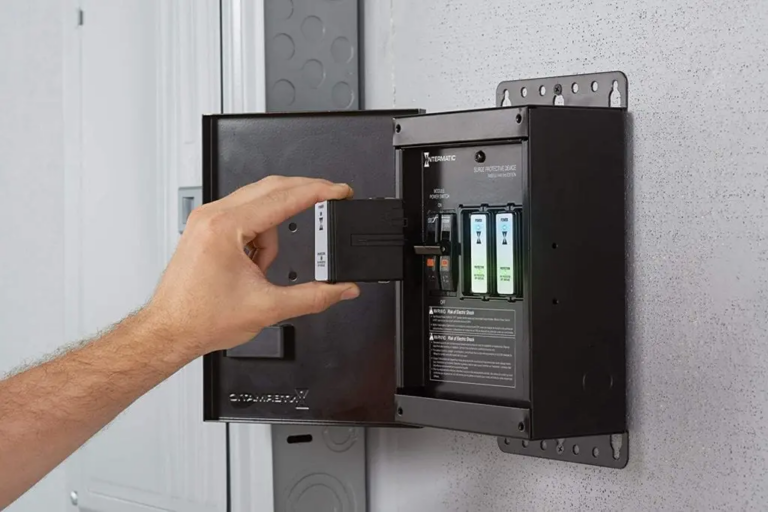
Adding Arc Fault Circuit Interrupter (AFCI) protection is another essential step, as AFCIs are designed to detect dangerous electrical arcing conditions that can lead to fires and automatically shut off power before damage occurs. In areas where water is present, such as kitchens, bathrooms, laundry rooms, and outdoor outlets, Ground Fault Circuit Interrupter (GFCI) outlets should be installed to help prevent electrical shock and reduce fire risk.
For added protection of sensitive devices, power surge protection is recommended to safeguard electronics from sudden voltage spikes that can cause overheating or permanent damage. Together, these safety devices significantly strengthen your home’s electrical system and reduce the risk of electrical fires and accidents.
Electrical Safety Tips for Common Household Appliances
Household appliances are essential for daily comfort and convenience, but improper use or lack of maintenance can increase the risk of electrical hazards and fires. Following proper safety practices for each appliance helps ensure your home electrical system operates safely and efficiently.
- Clothes Dryers: Clean the lint filter after every use and ensure the vent system is not blocked. Built-up lint and poor ventilation can cause overheating and increase fire risk.
- Space Heaters: Keep space heaters at least three feet away from furniture, curtains, and other flammable materials. Always plug them directly into a wall outlet, never an extension cord or power strip.
- Kitchen Appliances: Avoid overloading kitchen circuits by using high-powered appliances on separate outlets. Unplug appliances like toasters, microwaves, and coffee makers when not in use to reduce electrical hazards.
- Washers and Dryers: Regularly inspect cords and connections for wear or damage. Ensure appliances are properly grounded and connected to a dedicated circuit to prevent electrical overload.
Why Regular Electrical Inspections Matter
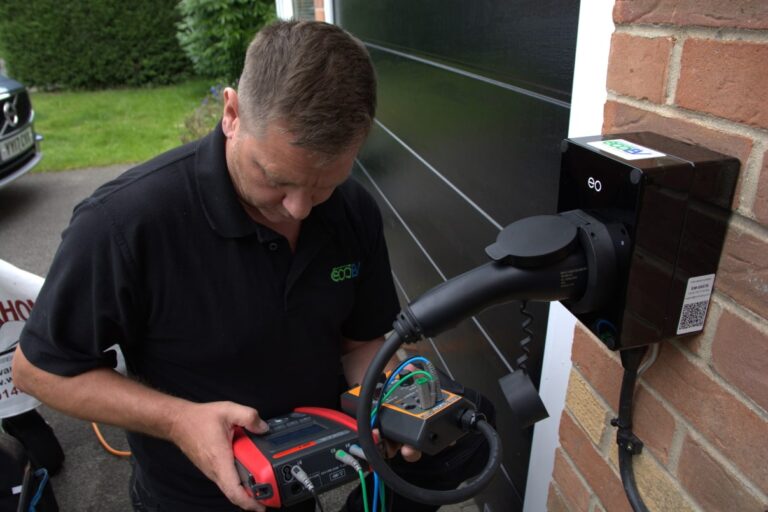
Regular electrical inspections are essential for maintaining a safe and reliable home electrical system. A professional inspection helps identify hidden issues such as outdated wiring, overloaded circuits, loose connections, and other potential fire hazards that are not always visible during daily use. By detecting these problems early, homeowners can prevent costly repairs, reduce the risk of electrical fires, and ensure their system is operating efficiently and safely.
It is recommended to schedule an electrical inspection when purchasing a new home, during major renovations, or if your property is more than 20–25 years old.
Additionally, if you notice warning signs such as frequently tripping breakers, flickering lights, warm outlets, or burning smells, it may indicate that your electrical system needs immediate attention or upgrading.
Regular inspections by a licensed electrician help to ensure your home meets current safety standards and can handle modern electrical demands.
Conclusion
Preventing electrical fires in your home starts with awareness, regular maintenance, and safe electrical practices. Most electrical hazards are avoidable when you take the time to identify warning signs, address faulty wiring or damaged cords, and avoid overloading your electrical system.
Small steps like using appliances correctly, installing protective devices, and following basic safety guidelines can significantly reduce the risk of fire and protect your home.
However, the most reliable way to ensure long-term safety is through professional electrical inspections and timely upgrades when needed.
If you notice any signs of electrical issues in your home, it is always best to consult a licensed electrician before the problem becomes serious. At Allsite Electric, we help homeowners keep their electrical systems safe, efficient, and up to code, giving you peace of mind that your home and family are protected.