Power outages are a common concern for homeowners across Florida, especially during hurricane season, severe storms, and unexpected grid disruptions. Losing power can affect everything from air conditioning and refrigeration to security systems and medical equipment, making a reliable backup power solution essential for many households in Palm Beach and surrounding areas.
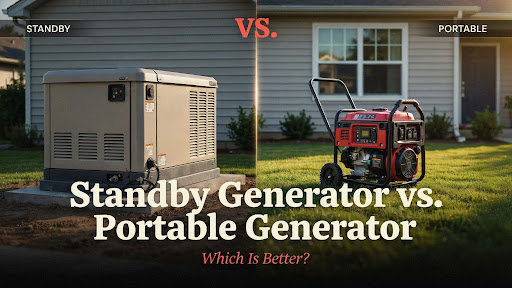
When choosing a backup generator, homeowners typically compare two options: portable generators and standby generators. While both provide emergency power during an outage, they differ in cost, installation requirements, convenience, and the amount of power they can deliver. Portable generators offer a flexible and budget-friendly solution, while standby generators provide automatic, whole-home backup power.
In this guide, we’ll compare standby generators vs. portable generators to help you choose the best option for your home’s power needs, budget, and lifestyle.
What Is a Portable Generator?
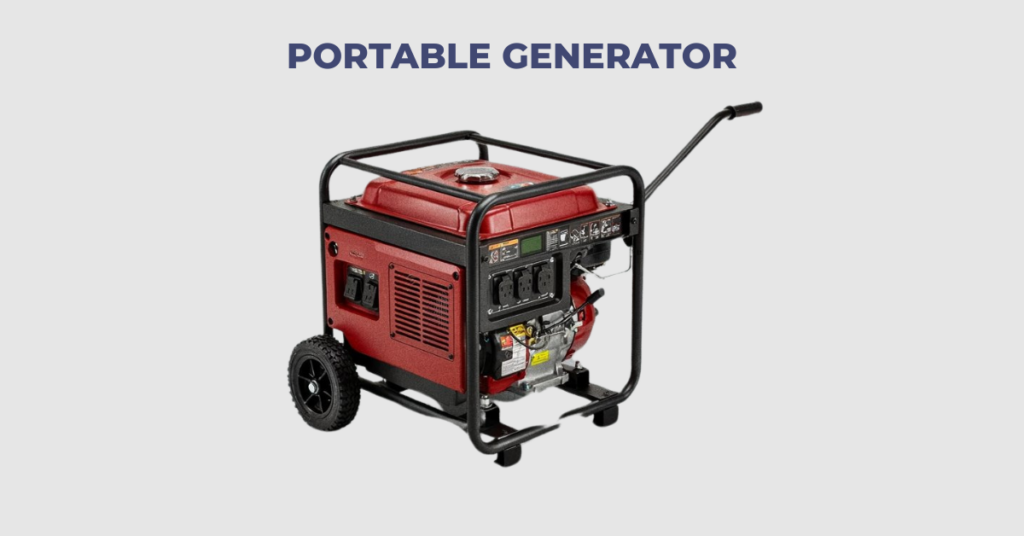
A portable generator is a temporary backup power source that provides electricity during outages or in off-grid locations. It runs on gasoline, propane, or dual-fuel and converts mechanical energy into electrical power for essential appliances and devices.
Unlike standby generators, portable units are not permanently installed and must be manually started and connected during an outage. They are typically used to power essential loads such as refrigerators, lights, fans, and small electronics.
In Florida and Palm Beach County, portable generators are a popular and affordable solution for hurricane preparedness, offering flexible backup power for homes, outdoor activities, and job sites.
| Pros | Cons |
| Lower purchase cost than standby generators | Requires manual setup and startup during outages |
| No permanent installation required | Must be refueled during extended power outages |
| Portable and easy to move between locations | Limited power output compared to standby generators |
| Can power essential appliances and devices | Usually, it cannot power an entire home simultaneously |
| Available in gasoline, propane, and dual-fuel models | Does not automatically restore power when the grid fails |
| Useful for home backup, recreational, and work applications | Requires safe outdoor operation to prevent carbon monoxide exposure |
| Can be transported if you relocate | Fuel storage and availability can be a concern during emergencies |
What Is a Standby Generator?
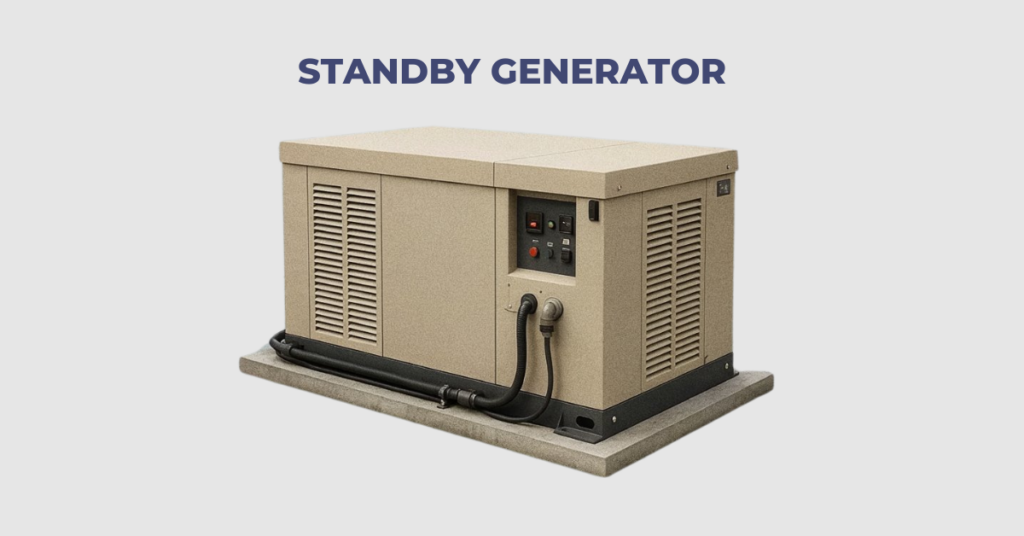
A standby generator is a permanently installed backup power system that automatically restores electricity to your home during an outage using an automatic transfer switch (ATS). It runs on natural gas or propane, so it does not require manual refueling and can support essential appliances like refrigerators, lights, HVAC systems, and security equipment.
In Florida and Palm Beach County, standby generators are especially useful during hurricanes and long power outages, offering reliable, automatic, and continuous backup power for home comfort and safety.
| Pros | Cons |
| Automatically restores power during outages | Higher upfront cost than portable generators |
| Can power most or all of a home’s electrical systems | Requires professional installation |
| No manual startup or refueling with a natural gas connection | Installation may require permits and inspections |
| Suitable for long-duration power outages | Permanently installed and cannot be relocated |
| Higher power output than most portable generators | Ongoing maintenance is required |
| Increases convenience and peace of mind | Higher operating costs than some portable units |
| Integrates directly with the home’s electrical system | Requires access to a natural gas or propane fuel supply |
Key Differences: Standby Generator vs. Portable Generator
Cost
Portable generators are generally more affordable than standby generators, making them a popular choice for homeowners looking for a budget-friendly backup power solution. Since they do not require permanent installation, upfront costs are typically much lower.
Standby generators involve a larger investment because they require professional installation, an automatic transfer switch, and additional electrical work. However, they offer greater convenience, automatic operation, and higher power capacity. For homeowners in Florida who experience frequent outages during hurricane season, the added cost may be justified by the increased reliability and peace of mind.
Installation Requirements
Portable generators require minimal setup and can typically be used shortly after purchase. During an outage, they must be placed outdoors in a well-ventilated area and connected to appliances or a transfer switch. Because they are not permanently installed, installation costs are usually low.
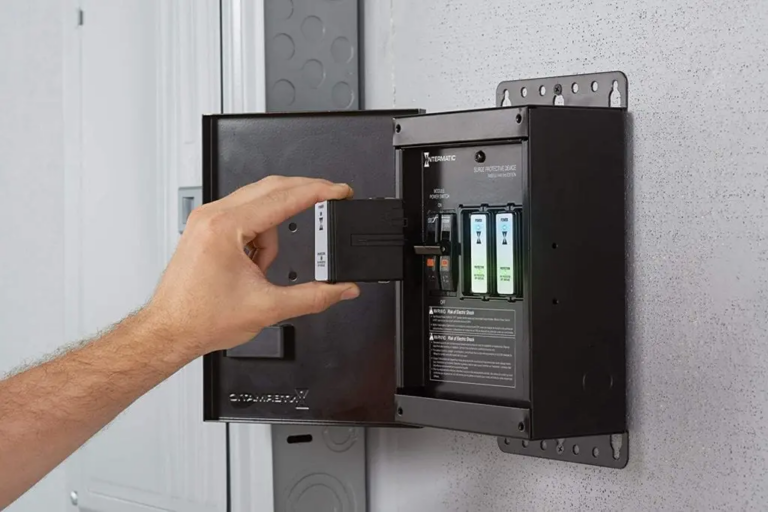
Standby generators require professional installation and are permanently connected to the home’s electrical system. The process typically involves installing an automatic transfer switch, selecting a suitable location for the unit, and obtaining any necessary permits. While installation is more complex and costly, it allows the generator to provide automatic backup power whenever an outage occurs.
Power Output
Portable generators are designed to power essential appliances and devices during an outage, such as refrigerators, lights, fans, internet equipment, and small household electronics. However, their limited power capacity often prevents them from running multiple high-demand appliances simultaneously.
Standby generators provide significantly higher power output and can support larger electrical loads. Depending on the generator’s size, they can power most or all of a home’s systems, including air conditioning units, water heaters, kitchen appliances, and other critical equipment. This makes them a preferred choice for homeowners seeking reliable whole-home backup power.
Convenience
Portable generators require manual setup when the power goes out. Homeowners must move the generator outdoors, start it, connect it safely, and refuel it as needed during extended outages.
Standby generators offer a much more convenient solution. They automatically detect power outages, start within seconds, and supply electricity to the home without any manual intervention. As long as a natural gas or propane fuel supply is available, they can continue running for extended periods, making them ideal for homeowners who want uninterrupted backup power.
Fuel and Runtime
Portable generators typically run on gasoline, propane, or dual-fuel systems and require periodic refueling during extended power outages. Runtime varies depending on the generator’s fuel capacity, load demand, and fuel type.
Standby generators are usually connected to a natural gas line or a large propane tank, allowing them to operate for much longer periods without manual refueling. This continuous fuel supply makes standby generators a more reliable option for homeowners in Florida who may experience prolonged outages during hurricanes and severe storms.
Mobility and Versatility
Portable generators are designed for flexibility. They can be moved to different locations and used for a variety of applications, including home backup power, camping, RV trips, outdoor events, and job sites. Their portability makes them a versatile solution for both emergency and recreational use.
Standby generators are permanently installed and dedicated to providing backup power for a home. While they cannot be moved or used elsewhere, they offer a reliable, long-term solution for homeowners who want automatic protection against power outages.
Which Generator Is Better for Your Needs?
Choosing between a portable generator and a standby generator depends on your power requirements, budget, and how often you experience outages. Both options provide reliable backup power, but they serve different homeowner needs.
A portable generator is a good fit if you want a cost-effective solution to power essential appliances during short-term outages. It is also ideal for homeowners who need flexibility for camping, RV use, or occasional emergency backup without a major investment.
A standby generator is the better choice if you want automatic, whole-home backup power. It is especially useful for Florida homeowners who face frequent storms or extended outages and want uninterrupted operation without manual setup.
If you’re not sure which generator is best for your home, AllSite Electric offers professional generator installation services across Florida and Palm Beach County. We help you select the right system and ensure a safe, reliable installation tailored to your needs.
Conclusion
In Florida and Palm Beach County, where hurricanes, tropical storms, and unexpected power outages are a regular concern, having a reliable backup power solution is essential for protecting your home and maintaining daily comfort. Both portable generators and standby generators offer valuable benefits, but they are designed for different needs and lifestyles.
Portable generators are a practical and affordable choice for homeowners who need temporary backup power for essential appliances and want flexibility for outdoor or recreational use. On the other hand, standby generators provide a more advanced solution with automatic operation, higher power output, and the ability to support an entire home during extended outages.
Ultimately, the best choice depends on your budget, power requirements, and desired level of convenience. If you are unsure which option is right for your home, consulting a professional electrician can help you make a safe and informed decision tailored to your specific backup power needs.