Your electrical panel is the central point where electricity enters and is distributed throughout your home or building. It sends power to lighting, appliances, HVAC equipment, outlets, and other electrical systems. When the panel becomes outdated or cannot safely handle your electrical demand, an electrical panel upgrade may be necessary.
But how do you know when an upgrade is actually needed?
Frequent breaker trips, flickering lights, outdated equipment, electrical overheating, and plans to install high-powered appliances can all indicate that your existing electrical system needs attention. In some cases, a simple repair may be enough. In others, upgrading the panel can improve electrical capacity, safety, and reliability.
What Is an Electrical Panel Upgrade?
An electrical panel upgrade involves improving or replacing components of your existing electrical distribution system to safely support the electrical needs of the property. Depending on the condition of the system, an upgrade may involve:
- Replacing an outdated electrical panel
- Increasing electrical service capacity
- Installing a larger breaker panel
- Adding or replacing circuit breakers
- Upgrading service entrance conductors
- Improving grounding and bonding
- Replacing damaged wiring
- Adding circuits for new equipment
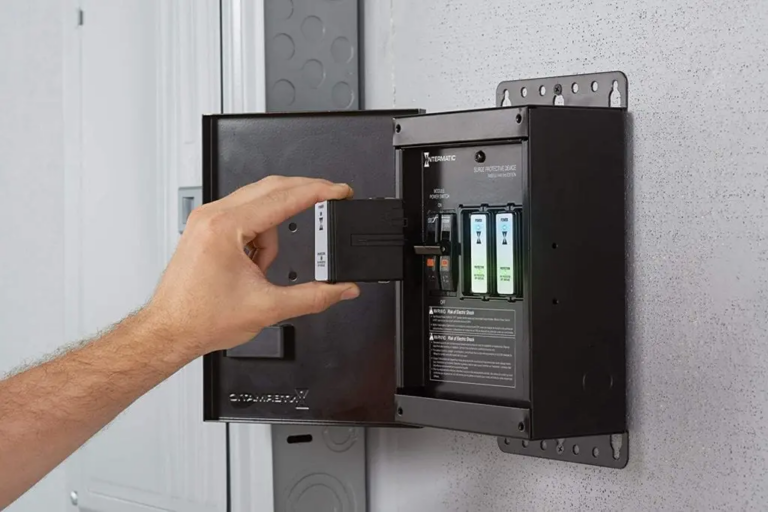
- Installing surge protection
- Updating electrical equipment to meet applicable codes
A panel upgrade is different from simply replacing a damaged breaker. The right solution depends on the condition, capacity, and configuration of the existing electrical system.
When Is an Electrical Panel Upgrade Necessary?
There is no single age or rule that automatically means a panel must be upgraded. Instead, an electrician should evaluate the electrical system and determine whether it can safely handle the property’s current and expected load. Here are some of the most common situations where an upgrade may be necessary.
1. Your Electrical Panel Is Outdated
Older electrical panels may not have the capacity, features, or condition needed for today’s electrical demands.
Homes and commercial properties now commonly use more electrical equipment than they did when older panels were installed. Central air conditioning, electric appliances, home offices, EV chargers, pool equipment, and other high-power loads can place additional demands on an aging electrical system.
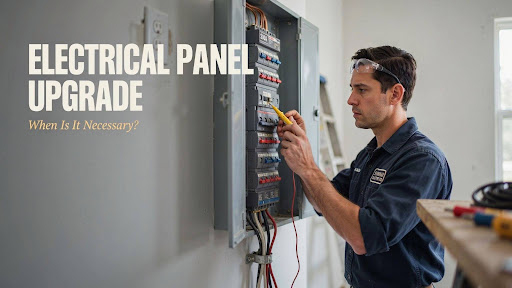
If your panel is old, damaged, or no longer meets the needs of the property, have a qualified electrician inspect it.
2. Your Circuit Breakers Trip Frequently
A circuit breaker is designed to interrupt power when it detects an unsafe electrical condition, such as an overload or short circuit. Occasional breaker trips can happen, but frequent breaker trips should not be ignored. Repeated trips may be caused by:
- An overloaded circuit
- Faulty electrical equipment
- A short circuit
- Damaged wiring
- An inadequate electrical service
- A failing breaker
An electrician can determine the underlying cause. If the electrical system does not have enough capacity for the property’s load, a panel or service upgrade may be part of the solution.
3. You Are Adding High-Powered Electrical Equipment
New electrical equipment can significantly increase the demand placed on your electrical system. You may need to evaluate your panel before installing equipment such as:
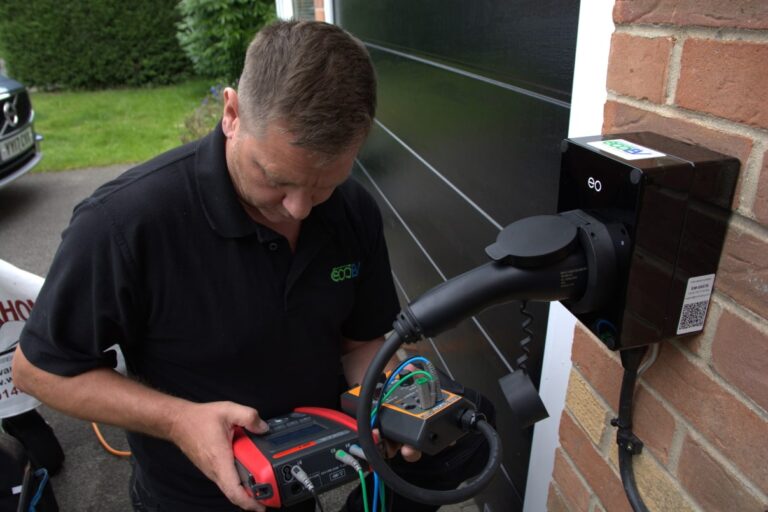
- EV chargers
- Central HVAC systems
- Electric water heaters
- Electric ranges
- Pool pumps
- Hot tubs
- Large appliances
- Workshop equipment
- Additional air conditioning units
Installing a new appliance does not automatically mean you need a larger panel. An electrician can perform a load calculation to determine whether your existing electrical service has enough capacity.
4. Your Home Has a 60-Amp or 100-Amp Service
Older properties may have electrical services with lower amperage than modern homes typically require. A 100-amp electrical panel may be adequate for some properties, but it can become restrictive as electrical loads increase.
An electrician can evaluate your current electrical usage and determine whether upgrading to a 200-amp service makes sense. A larger service can provide additional capacity, but the upgrade may involve more than simply installing a new breaker panel. Service conductors, meter equipment, grounding, and other components may also need to be upgraded.
5. You Have Flickering or Dimming Lights
Lights that frequently flicker or dim can be a warning sign of an electrical problem. Possible causes include loose connections, overloaded circuits, voltage issues, faulty equipment, or problems elsewhere in the electrical system.
If flickering occurs when a large appliance starts, the system may be experiencing a significant electrical load. However, the cause should be properly diagnosed instead of assuming that a panel upgrade is automatically required.
6. You Notice Heat, Burning Smells, or Discoloration
Electrical panels and breakers should not produce unusual heat, burning odors, smoke, or visible discoloration. Warning signs can include:
- A burning smell near the panel
- Hot breakers
- Melted or discolored components
- Scorch marks
- Buzzing or crackling sounds
- Visible damage
- Smoke or sparks
These signs can indicate overheating, loose connections, arcing, or another electrical fault.
Do not attempt to repair or open the panel yourself. Contact a qualified electrician to assess the situation. If you see smoke or an active electrical fire, leave the area and contact emergency services.
7. Your Panel Has Visible Rust or Corrosion
Florida’s humid and wet climate can be particularly challenging for electrical equipment, especially panels installed in garages, exterior locations, utility areas, or other areas exposed to moisture.
Rust or corrosion can damage electrical components and affect the reliability of the panel.
If you notice corrosion, moisture intrusion, or deterioration around your electrical panel, have it inspected by a professional. The appropriate solution may range from repairing the affected equipment to replacing the panel or other service components.
8. You Need More Electrical Circuits
A panel upgrade may be worth considering when your property needs additional dedicated circuits. For example, a renovation, home addition, new HVAC equipment, EV charger, or other electrical installation may require circuits that the existing panel cannot accommodate.
Using extension cords or repeatedly overloading existing circuits is not a proper long-term solution.
An electrician can evaluate the available panel capacity and determine whether new circuits can be added safely or whether the electrical panel needs to be upgraded.
9. You Are Renovating or Expanding the Property
A major renovation is a good time to evaluate the electrical system. Adding rooms, converting a garage, remodeling a kitchen, finishing an additional space, or expanding a commercial facility can increase electrical demand. Before the renovation begins, an electrician can evaluate:
- Existing panel capacity
- Available circuit spaces
- Electrical load
- Wiring condition
- Service capacity
- Grounding
- New equipment requirements
10. Your Electrical System Has Outdated or Unsafe Components
Some electrical panels and components have known safety concerns or may no longer be appropriate for the property’s needs. An electrical inspection can identify outdated equipment, improper wiring, inadequate grounding, damaged breakers, or other potential hazards. If the existing equipment cannot be safely repaired or does not provide the protection and capacity required, replacement may be the better option.
11. Your Electrical Service Cannot Handle the Current Load
Electrical demand can increase gradually as a property gains new appliances and equipment. A home may have started with a few basic appliances but later added:
- Multiple HVAC systems
- Electric appliances
- Pool equipment
- EV charging
- Home office equipment
- Additional refrigerators or freezers
- Outdoor electrical equipment
If the electrical service is no longer adequate, an electrical service upgrade may be necessary. The electrician should determine the property’s calculated load before recommending a higher service capacity.
Electrical Panel Upgrade vs. Panel Replacement
These terms are often used interchangeably, but they can describe different types of work.
A panel replacement generally means removing an existing panel and installing a new one. If the electrical service capacity remains the same and the existing wiring and service equipment are suitable, the project may be relatively straightforward.
An electrical panel upgrade may involve increasing service capacity or making additional improvements to the electrical system. This can require larger conductors, new meter equipment, grounding upgrades, additional circuits, or other modifications.
For example, replacing a damaged 200-amp panel with another compatible 200-amp panel is different from upgrading an older 100-amp service to 200 amps. The scope of work should be determined after an electrical evaluation.
Does a Panel Upgrade Increase Electrical Capacity?
It can, but the panel itself is only one part of the electrical service. A new panel with more breaker spaces does not automatically increase the amount of electricity the property can safely use. The service capacity depends on the overall electrical system, including the service entrance conductors, meter equipment, main disconnect, panel, and other components. This is why simply installing a larger panel is not a substitute for a proper electrical load assessment.
What Does an Electrical Panel Upgrade Include?
The exact scope varies from one property to another. Depending on the project, an electrician may need to:
- Inspect the existing electrical system.
- Evaluate the property’s electrical load.
- Determine the appropriate service capacity.
- Disconnect and remove outdated equipment.
- Install the new electrical panel.
- Replace service conductors when required.
- Upgrade grounding and bonding.
- Install compatible circuit breakers.
- Add required circuits or protective devices.
- Coordinate utility work when necessary.
- Obtain applicable permits and arrange inspections.
- Test the completed installation.
Not every project requires all of these steps. A professional assessment determines what is actually necessary.
How Much Does an Electrical Panel Upgrade Cost?
The cost depends heavily on the scope of work. A straightforward panel replacement may cost considerably less than a complete electrical service upgrade.
Additional work such as panel relocation, rewiring, meter replacement, grounding improvements, or utility coordination can increase the total. Factors that influence the price include:
- Panel amperage
- Electrical service capacity
- Panel location
- Labor requirements
- Condition of existing wiring
- Service entrance conductors
- Meter equipment
- Permit and inspection requirements
- Number of circuits
- Required code corrections
- Additional electrical upgrades
Benefits of Upgrading an Electrical Panel
When an upgrade is appropriate, it can provide several benefits.
Improved Electrical Capacity
A properly designed service upgrade can provide the capacity needed for modern appliances and equipment.
Better Electrical Reliability
Addressing overloaded circuits, damaged components, and outdated equipment can improve the reliability of the electrical system.
Improved Safety
Replacing damaged or unsuitable equipment can help reduce electrical hazards when the work is properly designed and installed.
Support for Future Upgrades
An appropriately sized electrical system can make it easier to add equipment such as an EV charger, HVAC system, or additional circuits in the future.
Better Code Compliance
Electrical work should meet applicable local requirements and the current standards that apply to the project. Permits and inspections may be required depending on the work and location.
How to Know If You Need an Electrical Panel Upgrade
Look at the overall condition and performance of your electrical system rather than relying on one symptom. You should consider having your system inspected if you have:
- Frequent circuit breaker trips
- Flickering or dimming lights
- Burning odors
- Warm or discolored outlets
- Buzzing electrical equipment
- Rust or corrosion around the panel
- An older electrical panel
- Limited circuit capacity
- Plans to install an EV charger
- Plans to add major HVAC equipment
- A home renovation or addition planned
- Increasing electrical demand
These signs do not necessarily mean you need a complete panel upgrade. A licensed electrician can determine whether repair, replacement, additional circuits, or a service upgrade is the appropriate solution.
Why Professional Electrical Evaluation Matters
Electrical panel work involves the main distribution point of the property’s electrical system. Choosing the wrong equipment or incorrectly modifying the service can create serious safety problems.
A qualified electrician can evaluate the entire system rather than looking at the panel in isolation. This includes checking electrical load, wiring, breakers, grounding, service equipment, and other components.
Professional installation also helps ensure that required permits, inspections, and applicable electrical requirements are addressed.
Keep Your Electrical System Ready for Your Needs
An electrical panel upgrade is not necessary simply because a panel is old or because you want a newer-looking breaker box. The important question is whether your existing electrical system can safely and reliably meet the property’s current and future needs.
Frequent breaker trips, overheating, damaged equipment, insufficient circuit capacity, new high-powered appliances, and major renovations are all good reasons to have the system evaluated.
If you are unsure whether you need a panel replacement, electrical panel upgrade, or service upgrade, a professional inspection can identify the problem and help you choose the right solution.
For homeowners and businesses in South Florida, Allsite Electric provides electrical panel replacement, electrical service upgrades, repairs, and other electrical services. Contact a qualified electrician to evaluate your system and determine whether an upgrade is necessary.